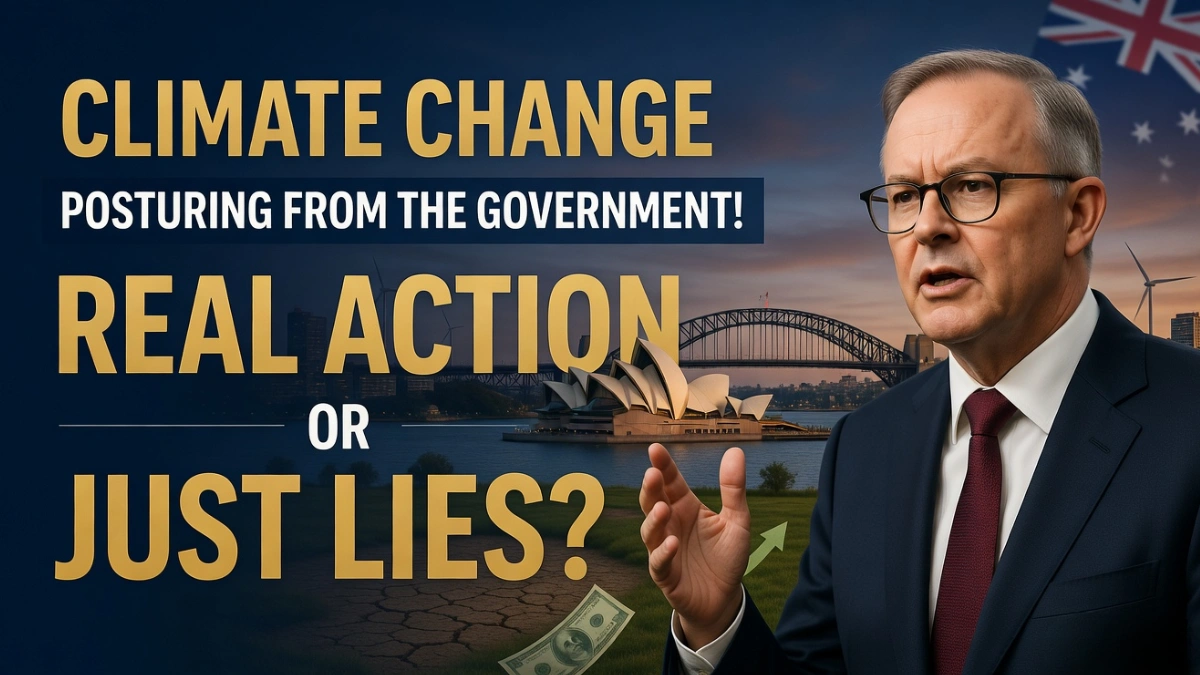
In 2026, discussions around climate change policies have become more heated as governments face increasing pressure to deliver measurable results. Rising global temperatures, extreme weather events, and public demand for accountability have pushed climate commitments into the spotlight. At the same time, critics argue that some announcements focus more on political messaging than on concrete outcomes, creating a divide between perception and reality.
What Governments Are Actually Doing on Climate Policy
Most governments continue to implement a mix of renewable energy investments, emissions targets, and regulatory frameworks aimed at reducing carbon output. These include incentives for clean energy adoption, stricter environmental standards, and long term transition plans. While these initiatives show progress, their effectiveness depends heavily on execution, funding, and consistent policy enforcement over time.
Where Criticism and Skepticism Come From
Skepticism around climate action often arises when promised targets are not met on schedule or when policies lack clear enforcement mechanisms. Critics point to delays in infrastructure projects, reliance on short term solutions, and inconsistencies between policy announcements and actual emissions reductions. This gap between intention and outcome fuels the argument that some actions may be more symbolic than transformative.
Balancing Economic Growth and Environmental Goals
One of the biggest challenges governments face is balancing economic stability with environmental responsibility. Policies that reduce emissions can sometimes increase costs for industries and consumers, leading to political resistance. As a result, governments often adopt gradual transitions rather than abrupt changes, aiming to protect jobs and economic growth while still moving toward climate targets.
Key Comparison of Climate Action vs Perceived Posturing
| Aspect | Climate Action Approach | Perceived Posturing Concern |
|---|---|---|
| Policy Focus | Long term emissions reduction | Short term political gains |
| Implementation | Renewable energy investments | Delayed or partial execution |
| Accountability | Measurable targets and reporting | Lack of clear enforcement |
| Public Communication | Data driven updates | Emphasis on announcements |
| Economic Impact | Gradual transition planning | Concerns over cost shifting |
This table highlights the differences between genuine policy efforts and the criticisms often raised about political messaging versus real-world outcomes.
What the Public Should Watch Moving Forward
As climate policies continue to evolve in 2026, the key factor for the public is transparency. Monitoring actual emissions data, project completion rates, and independent assessments can provide a clearer picture of progress. Rather than focusing solely on announcements, understanding measurable results will help determine whether climate strategies are delivering meaningful change or simply creating the appearance of action.
Disclaimer: This article is for informational and analytical purposes only and reflects general perspectives as of 2026. It does not represent political opinion or policy endorsement. Readers should consult multiple credible sources for a balanced understanding of climate policy developments.